Best Background Music for Aesthetic Clinics: 2-Zone BPM Guide
Aesthetic clinics need 2 music zones: 90-110 BPM for reception, 60-80 BPM for treatment rooms. Here's the exact setup — and how to run it legally from £19.99/month.
Sonosfera was started by a salon operator who got caught out by PPL/PRS licensing letters and built the music platform they wished existed. The team behind this blog has spent years inside hair and beauty businesses, clinics, and hospitality venues — booking the bills, dealing with the licensing letters, and learning the hard way that most Spotify playlists don't work for a professional environment.
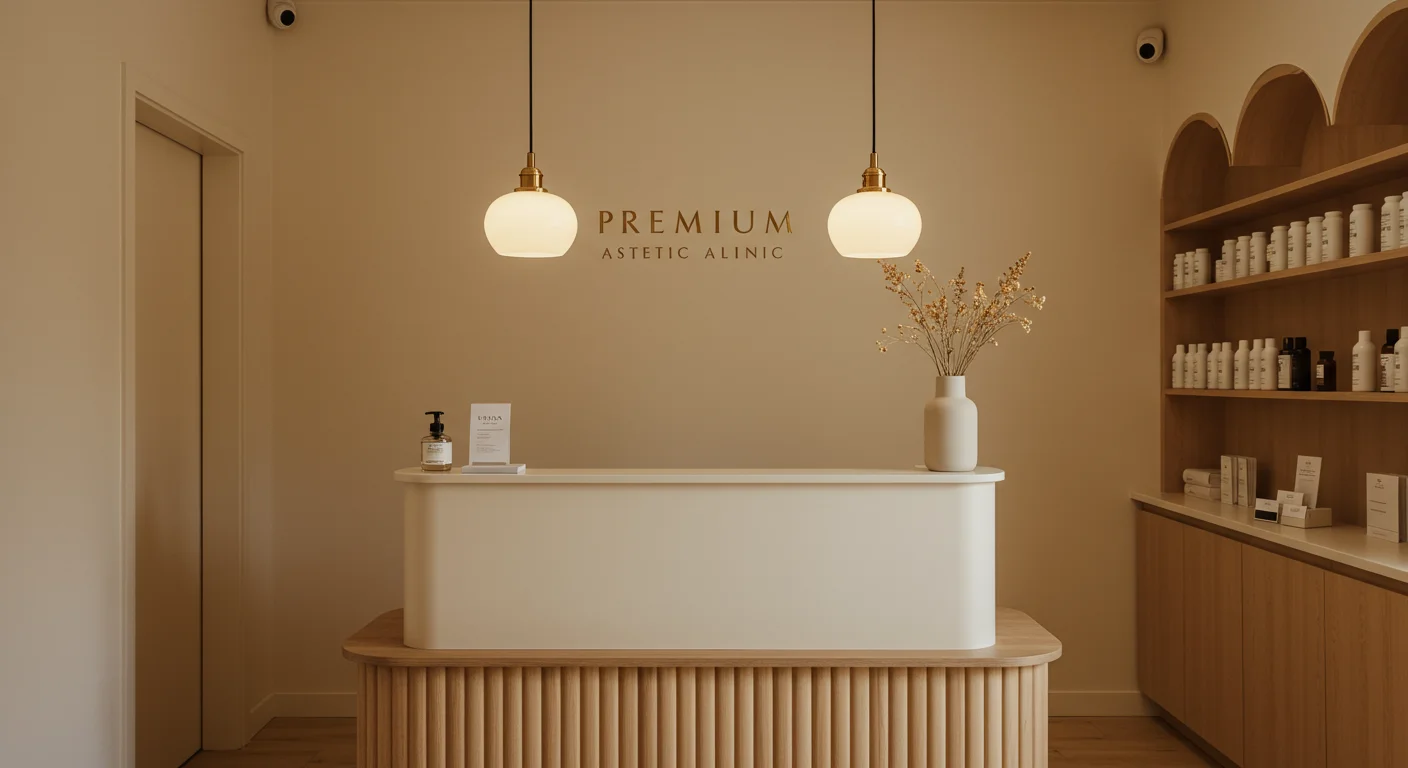
A client walks into your aesthetic clinic for a £400 filler appointment. They are nervous. The reception is stark white, the surfaces are clinical, and the scent of surgical spirit is lingering in the air.
If you are playing dead silence, they will panic. Every cough and keyboard click echoes.
If you are playing aggressive chart pop, they will feel rushed and undervalued.
If you default to generic whale sounds and pan pipes, they will feel like they walked into a £30 massage parlour, not a premium medical aesthetics clinic.
Finding the best background music aesthetic clinic owners can rely on is a balancing act. You are operating in a space that sits exactly between medical precision and luxury hospitality. Your audio environment needs to reflect that. It requires a distinct split in strategy between the moment a client walks through the front door and the moment they sit in the practitioner's chair.
Here is exactly how to engineer the audio for both zones, and how to do it without paying a £335 annual tax for the privilege.
The Reception Area: 90-110 BPM
Your reception area is a hospitality space. The goal here is reassurance, welcome, and premium brand positioning.
Clients sitting in your waiting area are often calculating the cost of their treatment, worrying about needles, or hoping they do not run into anyone they know. They need distraction, but they do not need a nightclub.
The scientific sweet spot for a welcoming but calm environment is between 90 and 110 Beats Per Minute (BPM). This tempo closely mirrors a resting human heartbeat during light, comfortable activity. It creates forward momentum without triggering an adrenaline response.
For reception areas, you should focus on genres that feature warm instrumentation and steady, predictable rhythms.
Soulful Lounge: Subtle basslines and warm vocals. It sounds expensive.
Acoustic Morning: Stripped-back guitars and soft percussion. It feels organic and honest.
Global Boutique: Low-tempo electronic beats mixed with organic instruments. It signals modern luxury.
What you must avoid in the reception area is sudden energy shifts. A playlist that jumps from a whisper-quiet acoustic track to a heavy synth-pop anthem will physically startle nervous clients. Consistency in volume and energy is more important than the specific genre.
The Treatment Room: 60-80 BPM
The moment a client crosses the threshold into the treatment room, the psychology of the space changes entirely.
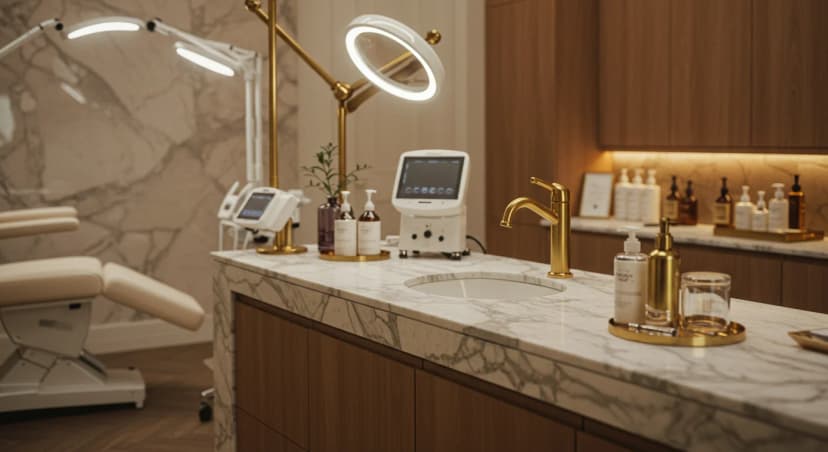
This is where the actual procedure happens. Needles, lasers, peels, and bright lights are involved. The music here serves a purely functional purpose: lowering blood pressure and masking the mechanical sounds of clinic equipment.
However, you are running a skin clinic, not a sleep centre. Your clients need to remain awake, alert, and capable of following instructions to turn their head or tense a muscle.
This is why a generic "skin clinic playlist" full of ambient drone music fails. It makes the practitioner sluggish and the client drowsy.
Instead, target a BPM of 60 to 80. This tempo deliberately slows the listener's breathing and heart rate, inducing a state of calm alertness.
Lofi Focus: Instrumental hip-hop beats with no vocals. It provides a rhythmic anchor that distracts the brain from physical discomfort.
Jazz Tones: Smooth, predictable horn or piano melodies that fill the sterile silence of a medical room.
Spa Drift: Modern ambient tracks that use subtle rhythms rather than formless synth washes.
Key takeaway: Your reception music should say "you are in safe, premium hands." Your treatment room music should say "just breathe and focus on the rhythm."
The £335 Spotify Problem
Here is the part most clinic owners discover too late.
You cannot legally run a Spotify Premium account through a Bluetooth speaker in your clinic. Section 4 of Spotify's Terms and Conditions explicitly prohibits commercial use. Apple Music and YouTube Music carry the exact same restrictions.
If you play commercial music in a UK business, you are legally required to hold a public performance licence. This is managed by PPL PRS Ltd, who sell a joint product called TheMusicLicence. You can verify the current baseline rates directly on pplprs.co.uk.
For a standard small aesthetic clinic, this licence starts at approximately £335 per year.
If you are caught playing music without this licence, PRS can and will backdate fees for up to six years of prior use. They also issue fines starting at £100 per infringement. PPL PRS inspectors regularly visit high street clinics without warning to check compliance.
You are effectively paying £335 a year just for the right to press play.
The Cost of Clinic Music Compared
Let us look at the actual math of running music in your clinic.
Audio Solution
Annual Cost
Commercial Legality
Zone Control
Spotify Premium
£131.88
Illegal (Breaches Terms)
None
TheMusicLicence + Spotify
£466.88+
Legal
None
Sonosfera
£167.88
Fully Legal (All rights included)
Yes
Sonosfera is a UK-built platform designed specifically for businesses that need atmosphere without the administrative burden. It costs £19.99/month (or £13.99/month equivalent if you pay annually).
That price includes all your licensing. You do not need to pay PPL. You do not need to pay PRS. You never have to speak to an inspector.
If you are managing reception, answering phones, and doing consultations, you do not have time to act as a DJ.
The energy of a clinic naturally shifts throughout the day. The 9:00 AM opening requires a different atmosphere to the 5:30 PM post-work rush.
This is where dayparting comes in. Dayparting is the practice of dividing the business day into specific segments and assigning a different music energy to each. We built Sonosfera to handle this automatically.
A standard aesthetic clinic schedule looks like this:
11:30 - 14:30 (The Lunch Rush): Global Boutique. Slightly higher energy as professionals drop in for quick "tweakments" during their lunch break.
14:30 - 17:00 (The Afternoon Lull): Lofi Focus. Steady, rhythmic beats that keep staff energised and clients relaxed.
17:00 - 19:00 (The Evening Wind Down): Soulful Lounge. Warm, premium, slightly deeper tones as the day closes.
You set this schedule once. The software handles the transitions. You never have to touch the iPad again. For a deeper dive into scheduling, read our guide on dayparting for business.
Avoiding the "Ad Break" Disaster
Nothing destroys a premium aesthetic experience faster than a jarring advertisement.
Imagine a client is lying under a bright ring light, halfway through a microneedling session. They are focused on their breathing. The room is calm.
Suddenly, the music stops and a loud, upbeat voice shouts about a 50% discount on car insurance.
The illusion of luxury shatters instantly. If you are using a free tier of any streaming service, you are actively degrading your brand value to save £10 a month. In a clinic charging hundreds of pounds per treatment, this is a terrible trade-off.
Your music must be ad-free, explicit-free, and uninterrupted. Sonosfera tracks are individually analysed for BPM, energy level, and mood tags to ensure a smooth, professional playback experience with zero interruptions.
What About Custom Brand Audio?
If you want to take your clinic's atmosphere to the highest possible level, you stop using standard playlists altogether.
High-end clinics often commission bespoke audio. This is music selected specifically to match their brand colours, their interior design, and their treatment menu.
Through Sonosfera Studio, we offer custom music for business starting from £99. Our curation team builds a bespoke station of tracks exclusively for your clinic. You get 15 carefully matched tracks for £99, or 50 tracks for £249, plus a flat £30/month to keep the station updated with fresh music.
It is the auditory equivalent of having a custom uniform designed rather than buying off the rack.
Frequently Asked Questions
Q: Can I just play the radio in my clinic?
A: No. Playing a traditional radio station, digital radio, or internet radio in a commercial premises still requires a public performance licence from PPL PRS. The radio stations only pay for personal broadcast rights, not commercial playback rights.
Q: Do I need a music licence for a single, private treatment room?
A: Yes. If the music is audible to clients or staff who are not part of your immediate domestic circle, it is classed as a public performance. The size of the room does not exempt you from copyright law, though it may affect the final cost of a traditional PRS licence.
Q: I rent a room inside a larger clinic. Who pays for the music licence?
A: If you provide the music device and control the audio inside your rented room, you are legally responsible for the licensing of that specific space. Do not assume the building owner's licence covers your independent business operations.
Q: What is the difference between royalty-free and Sonosfera?
A: Royalty-free music is often generic, synthetic stock audio created specifically to avoid copyright claims. Sonosfera uses real, commercially viable music produced by actual artists. We just handle the complex licensing directly so you do not have to deal with PPL and PRS.
The Audio Standard for Aesthetics
Your clinic's interior design cost thousands of pounds. Your medical equipment cost tens of thousands. Do not ruin the final 10% of the client experience by playing an illegal Spotify playlist through a cheap speaker.
Music is not just background noise. It is a clinical tool for managing patient anxiety, and a marketing tool for reinforcing your premium prices.
Stop risking a fine. Start saving money.Try Sonosfera free for 14 days.£19.99/month. All licensing included. Cancel anytime.
Ready for Legal Background Music?
Fully licensed for commercial use. No PPL/PRS fees, no copyright worries. From £19.99/month.