Sonosfera was started by a salon operator who got caught out by PPL/PRS licensing letters and built the music platform they wished existed. The team behind this blog has spent years inside hair and beauty businesses, clinics, and hospitality venues — booking the bills, dealing with the licensing letters, and learning the hard way that most Spotify playlists don't work for a professional environment.
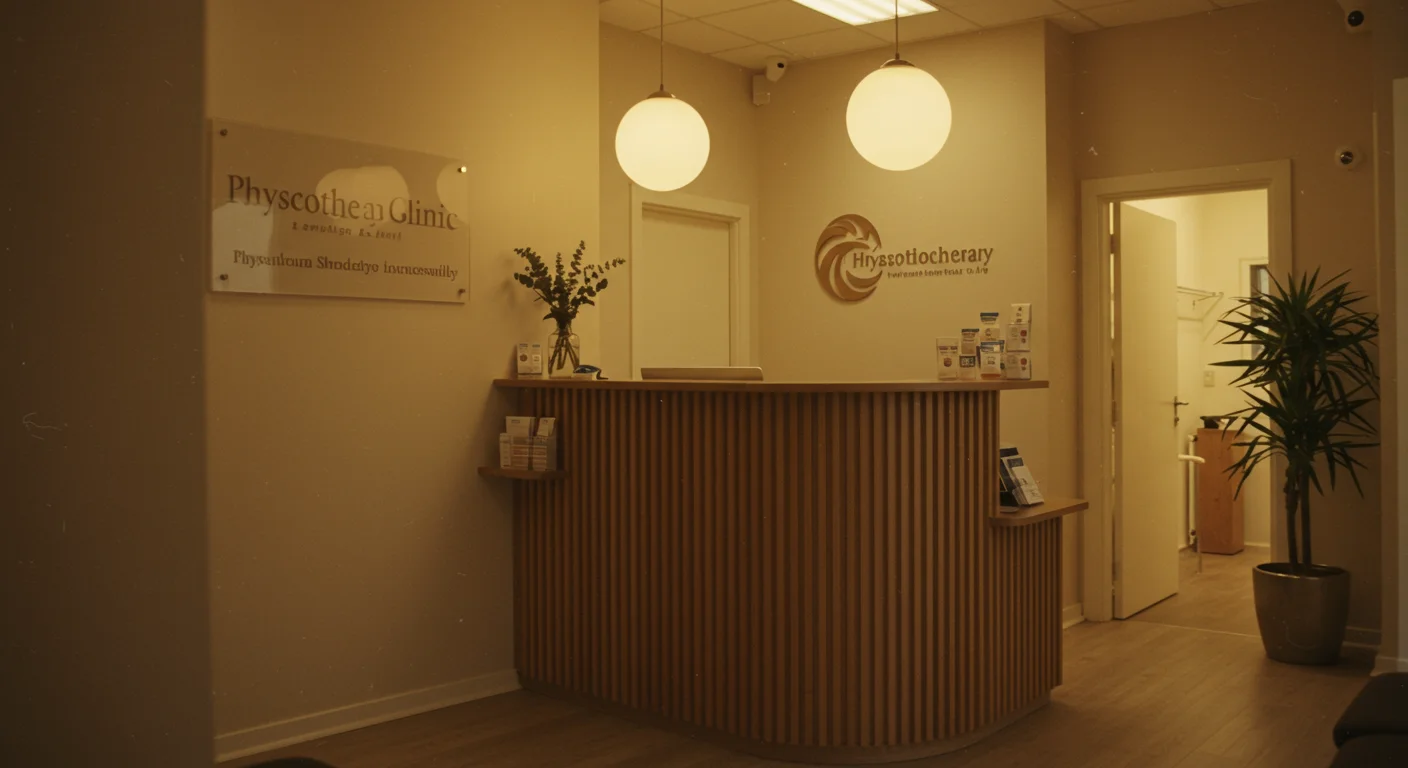
Your patient is sitting in the waiting room. It is completely silent. They can hear the receptionist typing emails, the hum of the air conditioning, and the muffled sound of an osteopath adjusting someone's spine through the plasterboard wall.
That is not a relaxing start to a 45-minute treatment session.
To fix this, you plug an iPad into a Bluetooth speaker, open Spotify, and put on an acoustic playlist. The atmosphere improves immediately. Patients stop whispering. The clinical edge softens.
You are also now breaking UK copyright law.
Here is what most healthcare practitioners get wrong about background music, and how to fix your clinic's audio without paying hundreds of pounds in unexpected licensing fees.
The £335 legal trap waiting for healthcare clinics
Music in a commercial space is legally considered a "public performance". It does not matter if you run a pub playing loud rock music or a quiet physiotherapy clinic playing ambient tracks. The law treats you exactly the same.
If you play commercial music in your business, you need permission from the people who wrote and recorded those songs. In the UK, this permission is sold as a blanket licence by an organisation called PPL PRS Ltd. They sell a product called TheMusicLicence.
If you decide to ignore this and play music anyway, the penalties are severe. PRS inspectors routinely visit high-street businesses. They can backdate fines for up to 6 years of unlicensed music use. The fines start in the hundreds but can escalate into the thousands if you ignore their letters.
Key takeaway: Your patient's anxiety drops when you play background music, but you are legally required to hold a licence to play it.
Spotify is illegal for your practice
The most common mistake clinic owners make is assuming their £10.99 monthly Spotify Premium subscription covers them for business use.
You are paying for the right to listen privately on your commute. You are not paying for the right to broadcast those songs to paying clients in a waiting room.
If a PRS inspector walks into your practice and hears a Spotify playlist, you will be handed a bill for TheMusicLicence. You cannot argue that you already pay for Spotify.
Why silence is bad for patient outcomes
The easiest solution sounds like turning the music off. Save the £335 and work in silence.
This creates a terrible patient experience. Physiotherapy, osteopathy, and chiropractic treatments often involve physical discomfort. Patients arrive anxious. A dead-silent waiting room amplifies that anxiety because every small noise becomes highly noticeable.
In the treatment room, silence is even worse. Sessions last between 30 and 60 minutes. Without background music, patients focus entirely on the clinical sounds of the room: the crinkling of paper couch rolls, heavy breathing, and the clicking of joints.
Music acts as an acoustic mask. It gives the patient's brain something pleasant to focus on, reducing their perceived stress.
The cost of clinic music compared
If you want to play music legally using the traditional method, you have to pay twice. You pay for your streaming app, and you pay for TheMusicLicence.
Here is what that actually costs compared to using a dedicated commercial platform like Sonosfera.
Service
Annual Cost
Includes PPL/PRS?
Legal for Business?
Spotify + TheMusicLicence
~£470
Yes
No (Spotify bans it)
Silence
£0
N/A
Yes (but bad for patients)
Sonosfera (Annual Plan)
£167.88
Yes (Fully Included)
Yes
Sonosfera costs £19.99 a month (or £167.88 a year). It is built specifically for UK small businesses.
Because we handle the commercial licensing directly, our subscription includes all your music rights. You do not need a PPL licence. You do not need a PRS licence. You just log in, pick a vibe, and press play.
Different areas of your clinic need different energy levels. A sports massage room requires a different atmosphere than an osteopath's consultation room.
Sonosfera comes with 9 distinct, AI-curated music vibes that fit different healthcare environments perfectly.
For your waiting room, the Acoustic Morning vibe provides a warm, welcoming acoustic guitar background that stops the space feeling clinical. It masks the sound of the reception phone without forcing patients to shout over the volume.
For treatment rooms, the Spa Drift vibe offers deep, ambient tracks with a low BPM (beats per minute). This naturally encourages slower breathing and helps patients relax tense muscles before manipulation.
Because Sonosfera detects languages automatically using Whisper AI, you never have to worry about inappropriate lyrics playing while you are treating a patient. You get completely clean, commercial-quality music that you can set and forget.
Frequently Asked Questions
Q: Do I need a music licence for a staff-only break room?
A: Yes. UK law considers playing music to your employees as a public performance. If staff are listening to the radio or a playlist in the break room, your clinic needs a commercial music licence.
Q: Can I just play the radio in my physio clinic?
A: No. Playing a standard FM, DAB, or internet radio station in a public business requires a PPL PRS licence. The radio stations pay for the right to broadcast the music, but you must pay for the right to play that broadcast to your clients.
Q: Is royalty-free music actually free to use?
A: Rarely. Most "royalty-free" tracks still require a specific commercial usage licence. They simply do not charge you per play. We wrote a full breakdown on why royalty-free music is widely misunderstood by business owners.
Q: What happens if a PRS inspector visits my practice?
A: They will note down the music playing and the size of your clinic. If you do not have a licence, they will send you an invoice. If you ignore it, they will escalate the matter, often backdating the fees for up to 6 years of alleged use.
Stop risking a fine. Start saving money.Try Sonosfera free for 14 days.£19.99/month. All licensing included. Cancel anytime.
Ready for Legal Background Music?
Fully licensed for commercial use. No PPL/PRS fees, no copyright worries. From £19.99/month.