Music for Laser Clinics: What to Play in Reception vs Treatment Rooms
Aesthetic clinic reception music needs a different vibe than the treatment room. Here is the exact BPM, genre, and licensing guide for your laser clinic.
Sonosfera was started by a salon operator who got caught out by PPL/PRS licensing letters and built the music platform they wished existed. The team behind this blog has spent years inside hair and beauty businesses, clinics, and hospitality venues — booking the bills, dealing with the licensing letters, and learning the hard way that most Spotify playlists don't work for a professional environment.
Music for Laser Clinics: What to Play in Reception vs Treatment Rooms
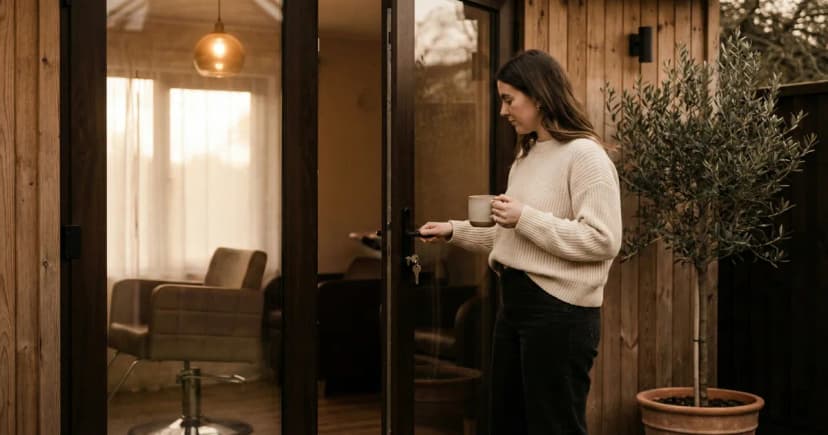
A new client walks into your laser clinic for their first bikini line treatment. They are already anxious about the pain. If your reception area is completely silent, the snapping sound of the laser machine down the hall echoes like a construction site.
But if your speakers are blasting high-energy pop, the space feels like a nightclub rather than a medical-grade facility.
You are running a highly regulated, medical-adjacent business. You need an audio strategy that builds trust at the front desk and provides distraction in the treatment chair. Most clinic owners throw on a random Spotify playlist and hope for the best.
Here is why that approach fails your clients, and why it puts your business at risk of a heavy legal fine.
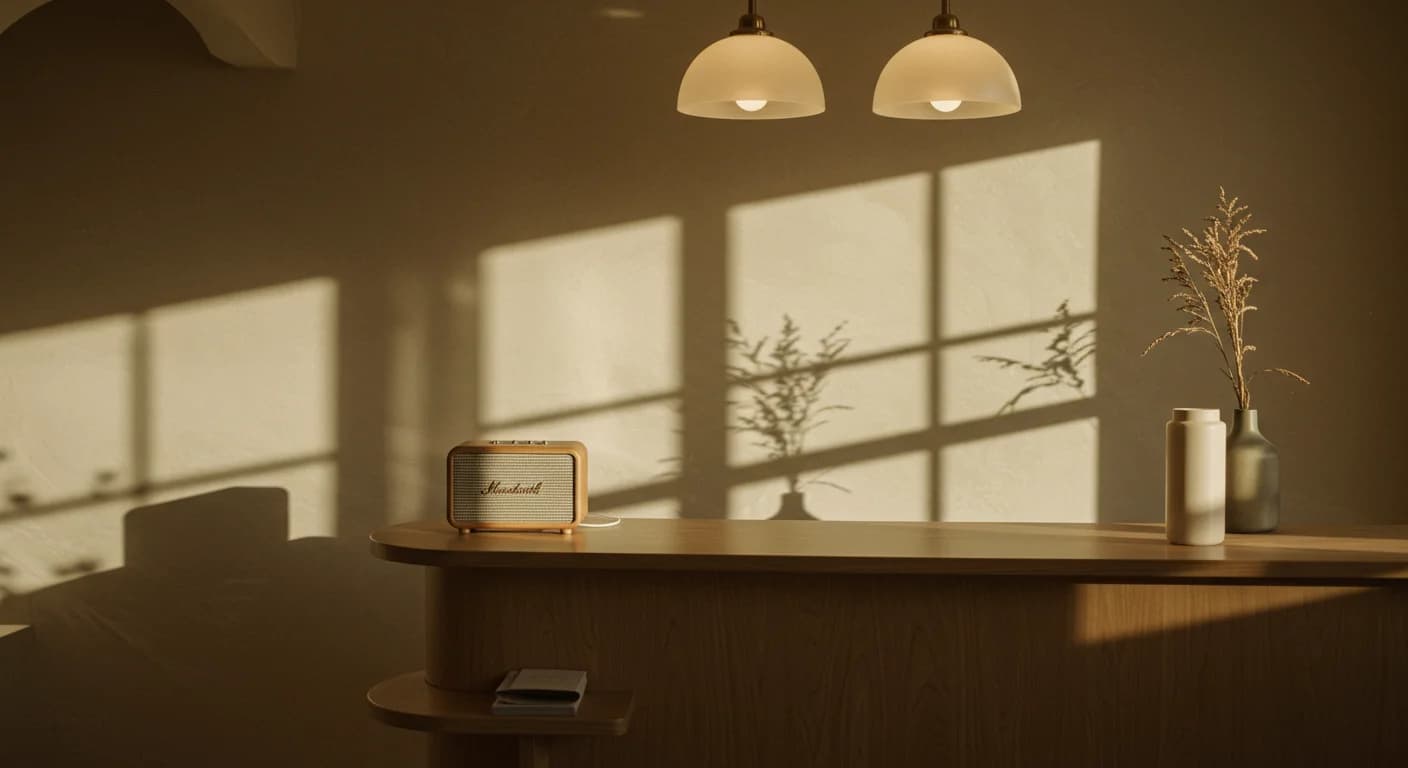
Why aesthetic clinic reception music requires a specific frequency
The front desk in a laser clinic has one primary job. It must provide acoustic privacy.
When a client discusses their medical history, their hormone treatments, or their payment plan, the person sitting two feet away in the waiting area should not hear the details. Silence makes every whispered conversation public.
This requires a specific frequency of background sound. You want music resting between 90 and 110 beats per minute (BPM).
Our Deep House Clean or Global Boutique vibes work perfectly for this environment. The rhythmic, steady bass lines naturally cover human speech frequencies without requiring you to turn the volume up to an uncomfortable level. It creates a barrier of sound that feels sophisticated but keeps private conversations private.
Key takeaway: Acoustic privacy is non-negotiable in a clinic. A steady 90-110 BPM bass line masks human conversation better than acoustic guitars or piano music.
The £335 legal trap waiting for clinic owners
Aesthetics and laser clinics are heavily regulated. You spend months checking your CQC requirements, local council guidelines, and insurance policies. You probably forgot about the music licence.
Then a PRS inspector walks through your door.
Playing your personal Spotify or Apple Music account in a commercial space violates Section 4 of their terms and conditions. We covered the legality of Spotify in commercial spaces extensively, but the short version is simple. It is illegal.
To legally play copyright music in a UK business, you must buy a combined licence from PPL and PRS, usually sold as TheMusicLicence.
For a standard 40-square-metre clinic, this costs approximately £335 per year. If you play the radio, you still need this licence. If you have a TV in the waiting room playing a music channel, you still need this licence. If you ignore their letters, PRS can .
Here is what the math actually looks like for a standard UK clinic.
Expense
Traditional Route
Sonosfera
PRS/PPL Licence
£335.00/year (minimum)
£0.00
Streaming Sub
£131.88/year (Spotify Premium)
Included
Total Annual Cost
£466.88
£167.88 (on annual plan)
Commercial Legality
Illegal (Spotify terms)
100% Legal
Sonosfera costs £19.99/month, or the equivalent of £13.99/month if you pay annually. That price includes all commercial licensing. You do not need to deal with PPL or PRS ever again.
Laser hair removal background music: The treatment room strategy
Once the client moves from the waiting area to the treatment room, your goal changes completely. You no longer need to mask conversation. You need to lower their heart rate.
Laser hair removal, tattoo removal, and skin peels cause mild to moderate discomfort. Music is a proven psychological distraction technique, but only if you select the right tempo.
You need tracks resting between 60 and 80 BPM.
This specific tempo mimics a resting human heart rate. It subconsciously encourages the patient to slow their breathing, which reduces muscle tension and makes the physical sensation of the laser more tolerable.
Our Spa Drift and Lofi Focus stations are designed for exactly this environment. They remove sudden volume spikes and heavy percussion.
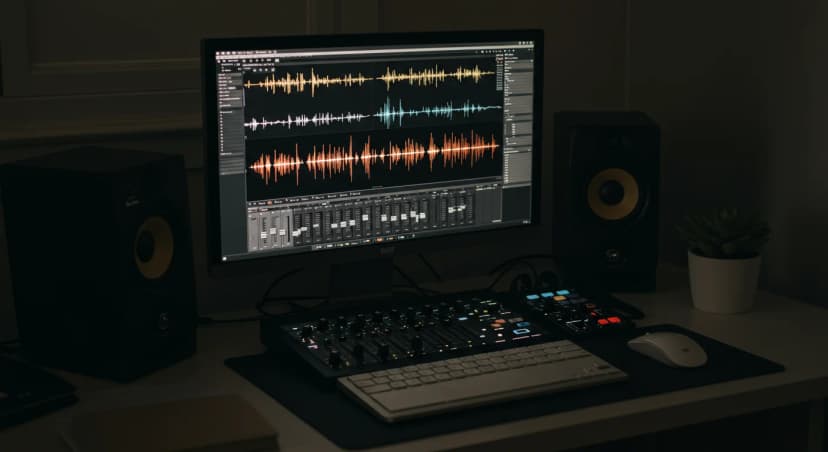
If you want an audio profile entirely unique to your brand, our Sonosfera Studio team builds bespoke custom music profiles. This service starts at £99 for 15 completely unique tracks, plus £30 a month for fresh curation. You get music that nobody else in your city is playing.
Managing the schedule: Morning energy vs evening calm
A Tuesday morning at 9 AM requires a different atmosphere than a Thursday evening at 7 PM.
Early morning clients are usually fitting their appointments in before work. They are drinking coffee, checking emails in the waiting room, and moving quickly. Your reception music should match this energy with a slightly more upbeat selection, like our Acoustic Morning station.
Evening clients are decompressing. They have finished their workday and want the clinic to feel like a retreat.
You do not need to manually change playlists to accommodate this. Smart clinics use dayparting to schedule music by time of day. You set the system once, and it automatically shifts from bright morning acoustic to warm evening lounge music precisely when the sun goes down.
The UK-built solution for multi-room clinics
We built Sonosfera because we were tired of the PPL/PRS monopoly. We are a UK-based company created by a former salon owner who experienced the confusing licensing letters firsthand. We understand exactly how frustrating it is to pay £335 just to play some background noise.
We provide a commercial music certificate with every account. You print it out, put it in your compliance folder, and hand it to any inspector who asks questions.
If you run a larger clinic operation, we offer straightforward volume discounts. You get 10% off for three or more locations, and 15% off for five or more.
Every track is analysed by our AI for BPM, energy levels, and mood tags. It detects languages automatically, ensuring inappropriate lyrics never play while a client is in the middle of a £200 treatment.
Frequently Asked Questions
Q: Do I need a licence just for waiting room music in a clinic?
A: Yes. Any space where the public, clients, or staff can hear music requires a commercial licence in the UK. You must either pay for TheMusicLicence via PPL PRS, or use a fully licensed commercial service like Sonosfera.
Q: Can I just play the radio in my laser clinic instead?
A: No. Playing a traditional radio broadcast in a business still constitutes a "public performance" under UK copyright law. You need exactly the same PPL and PRS licences to play BBC Radio 1 as you do to play a CD.
Q: What is the best music tempo for laser hair removal?
A: Aim for 60 to 80 BPM (beats per minute). This tempo aligns with a resting human heart rate. It subconsciously encourages patients to breathe slower, which reduces muscle tension and makes the treatment feel less painful.
Q: Is it legal to use a personal Spotify account if I pay for Premium?
A: No. Paying for Spotify Premium simply removes the adverts. Section 4 of Spotify's terms and conditions explicitly bans the use of their service in commercial, public, or business spaces. It is strictly for personal use.
Stop risking a retroactive fine. Start saving money.Try Sonosfera free for 14 days.£19.99/month. £167.88/year. All licensing included.
Ready for Legal Background Music?
Fully licensed for commercial use. No PPL/PRS fees, no copyright worries. From £19.99/month.