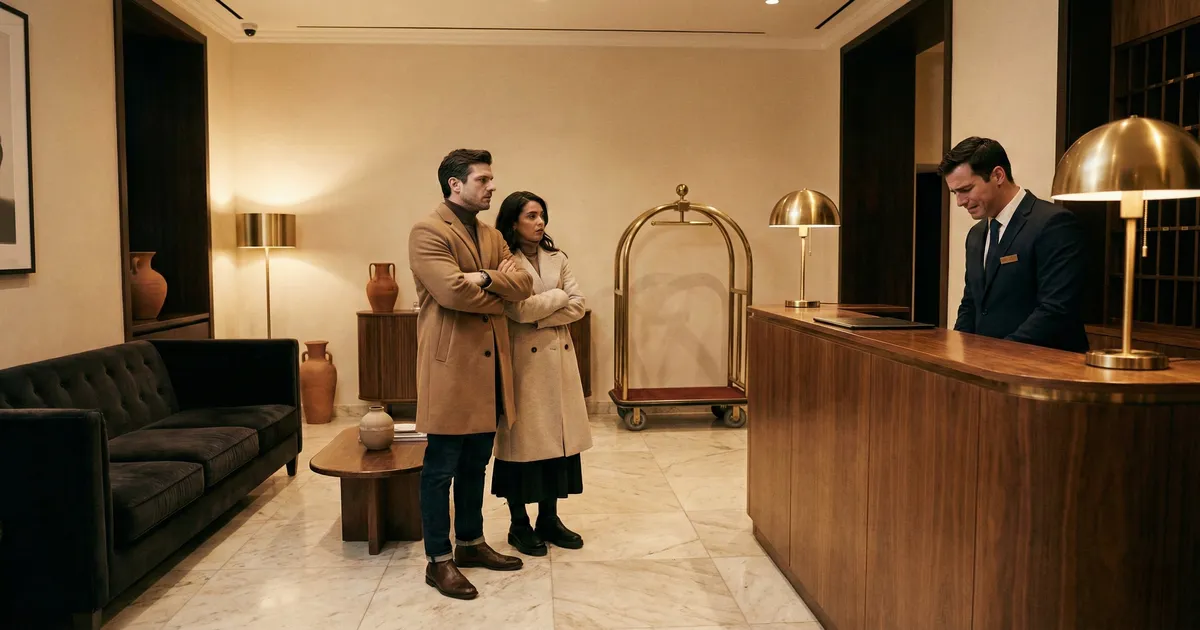
Hotel Lobby Music 2026: 7 Genres That Work + the PPL PRS Licence Hotels Forget
Your lobby is the guest's first 30 seconds. The 7 hotel music genres that actually work, plus the PPL PRS licence small hotels and B&Bs forget to budget for.
Sonosfera was started by a salon operator who got caught out by PPL/PRS licensing letters and built the music platform they wished existed. The team behind this blog has spent years inside hair and beauty businesses, clinics, and hospitality venues — booking the bills, dealing with the licensing letters, and learning the hard way that most Spotify playlists don't work for a professional environment.
Direct answer: Hotel lobbies work best with modern soul or light jazz at low-to-moderate volume — sophisticated enough to signal quality, unobtrusive enough for conversation and check-in. Hotels with 3+ public areas (lobby, restaurant, spa) typically pay £400–£800+/year for PPL PRS coverage. Sonosfera supports eligible catalogue playback across public areas for /month. Set up zones before opening day.
Fast facts
TheMusicLicence starts from £238.33/year + VAT per venue, with separate tariffs for gym/spa areas (PPL PRS)
Hotel lobbies act as co-working spaces, cafés and lounges in 2026 — music must work across all use cases simultaneously
Airbnb Superhosts who curate arrival experiences report higher review scores, particularly on "ambience" metrics
Sonosfera runs multiple zones (lobby, restaurant, spa) from one /month subscription — see pricing
TVs in guest rooms require a separate TV Licence; lobby/bar/restaurant music is a distinct licensable activity
Hotel Music Options Compared
Solution
Annual Cost
Covers Public Areas
Multi-Zone
Notes
TheMusicLicence (PPL PRS)
£238.33–£800+ + VAT
Yes
Yes (extra tariff)
Based on floor area + capacity
Spotify Consumer
~£120
No
No
Illegal for commercial use
Sonosfera
£203.88
Yes
Yes (multi-device)
Direct-licensed, catalogue-scoped
Radio
Free–£238.33+
Needs licence
No
Looks unprofessional
The lobby is no longer just a place to check in.
It is a co-working space. A coffee shop. A meeting point. A cocktail lounge.
In 2026, the hotel lobby is the heart of the guest experience. And nothing kills the vibe faster than silence—or worse, bad music.
Whether you run a 50-room boutique hotel or a luxury Airbnb, the soundscape is just as important as the thread count.
Here is how to curate a hotel atmosphere that earns 5-star reviews. (Unsure if your current setup is legal? Read Can I Play Spotify in My Salon? first.)
The 3 Functions of Lobby Music
Your music needs to multitask.
1. The Warm Welcome (Reception)
Goal: Reduce check-in stress. Make the guest feel they have "arrived."
Vibe: Polished, upbeat, sophisticated.
Genre: Modern Soul, Light Jazz, Indie Pop (Acoustic).
Avoid: High-tempo dance (too chaotic) or Slow classical (too sleepy for arrival).
2. The Living Room (Lounge / Co-working)
Goal: Focus and relaxation.
Vibe: Cool, background, unobtrusive.
Genre: Lofi Hip Hop, Chill House, Instrumental Beats.
Why: Guests are working on laptops or having coffee. Vocals should be minimal.
3. The Evening Transition (Bar / Evening)
Goal: Social energy.
Vibe: Darker, cooler, louder.
Genre: Deep House, Neo-Soul, Jazz Fusion.
Why: Shift the mood from "work" to "play" around 5pm.
Zoning: One Hotel, Multiple Sounds
You shouldn't play the same music in the spa as you do in the bar.
With Sonosfera, you can run separate zones (requires separate devices or browser tabs).
Zone 1 (Lobby): "Hotel Lobby Luxury" station.
Zone 2 (Restaurant): "Dinner Jazz" station.
Zone 3 (Spa): "Ambient Retreat" station.
A Note for Airbnb Hosts
"Superhost" status is all about the details.
Imagine your guest walks into your rental property. The lights are dimmed. A fresh scent is in the air. And soft, welcoming jazz is playing from a smart speaker.
It instantly feels premium.
Using a dedicated music service prevents the awkwardness of them connecting to your personal Spotify account (which is illegal anyway). At /month, it's a tiny investment for a massive upgrade in first impressions.
The Licensing Headache: Hotels & Airbnbs
Hotels are a goldmine for PPL PRS inspectors because they have so many "public performance" areas.
Want to skip the complexity?Try Sonosfera free for 14 days — £19.99/month, Sonosfera catalogue playback covered for eligible paid accounts.
The Solution: Sonosfera covers the public areas (Lobby, Bar, Restaurant, Spa, Gym) with Direct-Licensed music. This creates a huge saving compared to paying PPL PRS for every square foot of your property.
Frequently Asked Questions
Q: Do I need a licence for TVs in guest rooms?
A: Yes, usually. If the TV can receive broadcast signals (BBC/ITV), you need a TV Licence. If it plays music channels, PPL PRS tariffs apply.
Q: Can I use Sonosfera for my wedding venue?
A: You can use it for background music during dinner/drinks. However, if a couple hires a DJ or wants to play a specific "First Dance" song (like Ed Sheeran), that specific performance requires PPL PRS rights (or the venue's licence).
Q: Can I play the radio at the reception desk?
A: You can, but it looks cheap. Nothing says "budget motel" like a radio DJ shouting about double glazing while a guest tries to check in. And you'd still need a licence.